
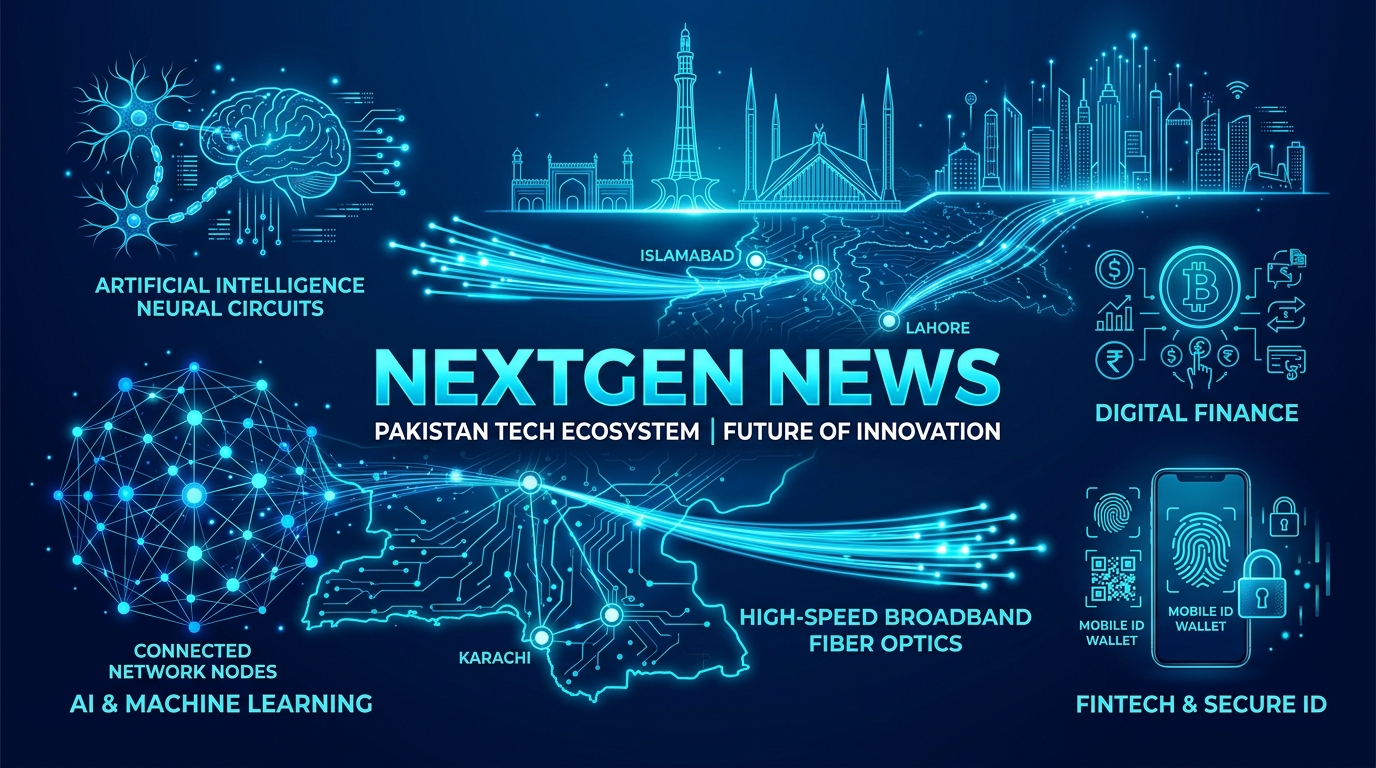
Pakistan’s Federal Board of Revenue (FBR) has officially launched its highly anticipated AI and Big Data Analytics integration framework, marking a watershed moment in the nation’s digital transformation journey. This strategic initiative aims to overhaul the current tax documentation processes, identify undeclared assets, and effectively curb tax fraud through advanced predictive modeling and machine learning algorithms.
Revolutionizing Tax Documentation with Artificial Intelligence
Historically, expanding the tax base has been a critical challenge for Pakistan’s economic planners. With the integration of Artificial Intelligence (AI), the FBR is now equipped to process millions of transactions in real-time. By cross-referencing data from banks, utility companies, property registries, and international travel records, the AI systems can create comprehensive financial profiles of individuals and corporations.
This shift from manual auditing to algorithmic anomaly detection reduces human error and drastically decreases the time required to flag suspicious activities. The new system automatically generates risk scores for taxpayers, allowing the FBR to focus its resources on high-probability cases of tax evasion.
Big Data Analytics: The Engine of Fraud Detection
At the core of this initiative is a robust Big Data infrastructure capable of handling petabytes of unstructured and structured data. The analytics engine leverages complex data lakes to map out complex financial networks, identifying hidden patterns that suggest money laundering or circular trading schemes.
Deploying such a massive computational framework requires enterprise-grade infrastructure. Handling sensitive national databases and running intensive machine learning models necessitates absolute data security, high throughput, and zero latency. For governmental operations of this scale, relying on standard hosting is insufficient. This is why robust infrastructure, such as Dedicated Servers in Pakistan, is critical. Ensuring data residency and maximum performance for AI workloads often dictates the use of bare-metal Dedicated Servers to maintain the integrity and sovereignty of national financial data.
Economic Implications and Future Prospects
The deployment of this AI-driven framework is expected to yield substantial economic dividends. Early projections suggest a potential 30% increase in tax revenue collection within the first fiscal year of full implementation. Furthermore, the transparent and automated nature of the system is designed to restore taxpayer confidence by minimizing harassment and ensuring equitable tax assessments.
As the FBR continues to refine its machine learning models, the system will become increasingly adept at predicting emerging tax fraud trends before they proliferate. This proactive approach not only safeguards the national exchequer but also promotes a culture of compliance.
The Road Ahead
The integration of AI and Big Data by the FBR is a testament to the increasing role of technology in governance. It highlights the crucial intersection of public administration and cutting-edge tech, setting a precedent for other governmental departments in Pakistan. As the infrastructure scales, maintaining the security and efficiency of the underlying hardware will remain paramount, solidifying the need for localized, high-performance computing resources.