
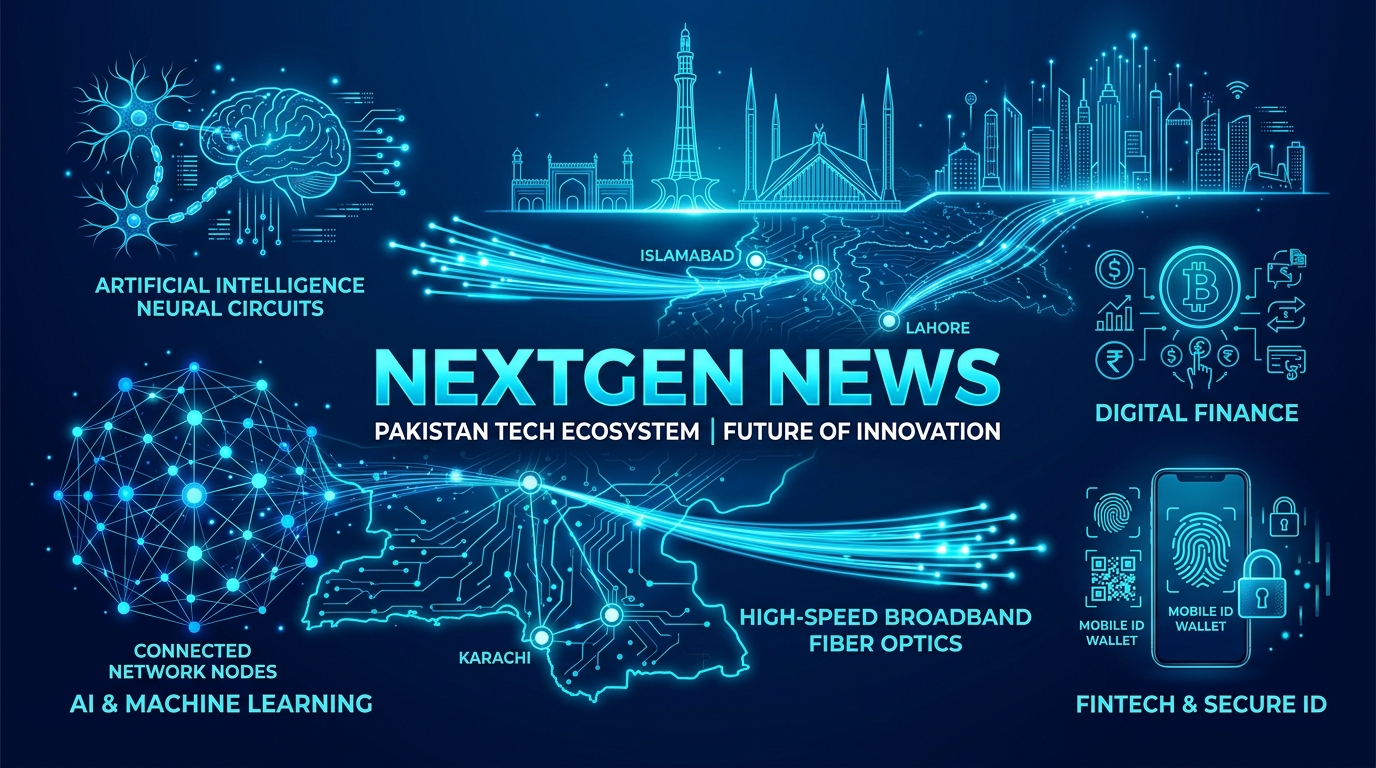
The State Bank of Pakistan (SBP) is taking transformative strides toward financial modernization by establishing a robust regulatory foundation for Open Banking and Open API integrations. As the digital economy in Pakistan accelerates, the demand for seamless, secure, and interoperable financial services has never been higher. By laying down the groundwork for structured API sharing, the SBP is unlocking massive potential for fintechs, banks, and third-party service providers.
The Role of the SBP Regulatory Sandbox
At the heart of this regulatory evolution is the SBP’s pioneering Regulatory Sandbox. This controlled live testing environment allows financial technology innovators to experiment with groundbreaking products under rigorous regulatory oversight.
In its first cohort, the Sandbox prioritized three strategic themes:
- Open Banking
- Technology-driven inward remittance solutions
- Remote digital onboarding for merchants
By focusing on Open Banking, the SBP is demonstrating a clear mandate to foster a collaborative financial ecosystem. This approach enables financial institutions to securely share customer data (with explicit consent) through standardized application programming interfaces (APIs), paving the way for personalized financial products and greater financial inclusion.
Successful Pioneers in the Open Banking Cohort
Recently, several forward-thinking companies successfully entered the Open Banking testing phase of the sandbox. Notable entities such as Digi Khata, Switch Retail, and Neem Exponential Financial Services have been given the green light to test their API-driven solutions. Their participation aims to stress-test the practical applications of Open Banking in the local market, helping the SBP assess risks, refine technical standards, and formulate a comprehensive, evidence-based regulatory framework for the entire industry.
It is critical to note that while participation in the sandbox is a significant milestone, the SBP has clarified that it does not equate to automatic commercial approval. Companies must still secure formal authorization before full-scale market deployment.
Infrastructure Demands for Secure API Integrations
The shift toward an Open Banking architecture fundamentally changes how financial data is transmitted. Standardized Open APIs mean that banks and fintechs will process millions of concurrent requests, requiring zero latency and ironclad security.
To handle this massive influx of transactional data and API calls, financial institutions cannot rely on shared or inadequate hosting environments. Securely routing millions of Open Banking API requests requires enterprise-grade bare-metal Dedicated Servers in Pakistan. Deploying infrastructure locally ensures compliance with sovereign data regulations, minimizes latency, and provides the necessary processing power to encrypt data in transit and at rest.
For institutions looking to scale their open architecture securely without geographic restrictions, deploying robust global infrastructure through high-performance Dedicated Servers is equally vital to maintain uptime and mitigate DDoS attacks that often target financial APIs.
The Future of Digital Finance in Pakistan
The SBP’s proactive approach to regulating Open Banking APIs is a watershed moment for Pakistan’s fintech sector. By facilitating secure data sharing, the central bank is dismantling traditional silos and encouraging a more competitive, transparent, and customer-centric financial landscape.
As these regulatory frameworks mature, consumers can expect a new wave of unified financial dashboards, advanced personal finance management tools, and frictionless digital lending platforms—all powered by the secure, underlying API infrastructure authorized by the State Bank of Pakistan.